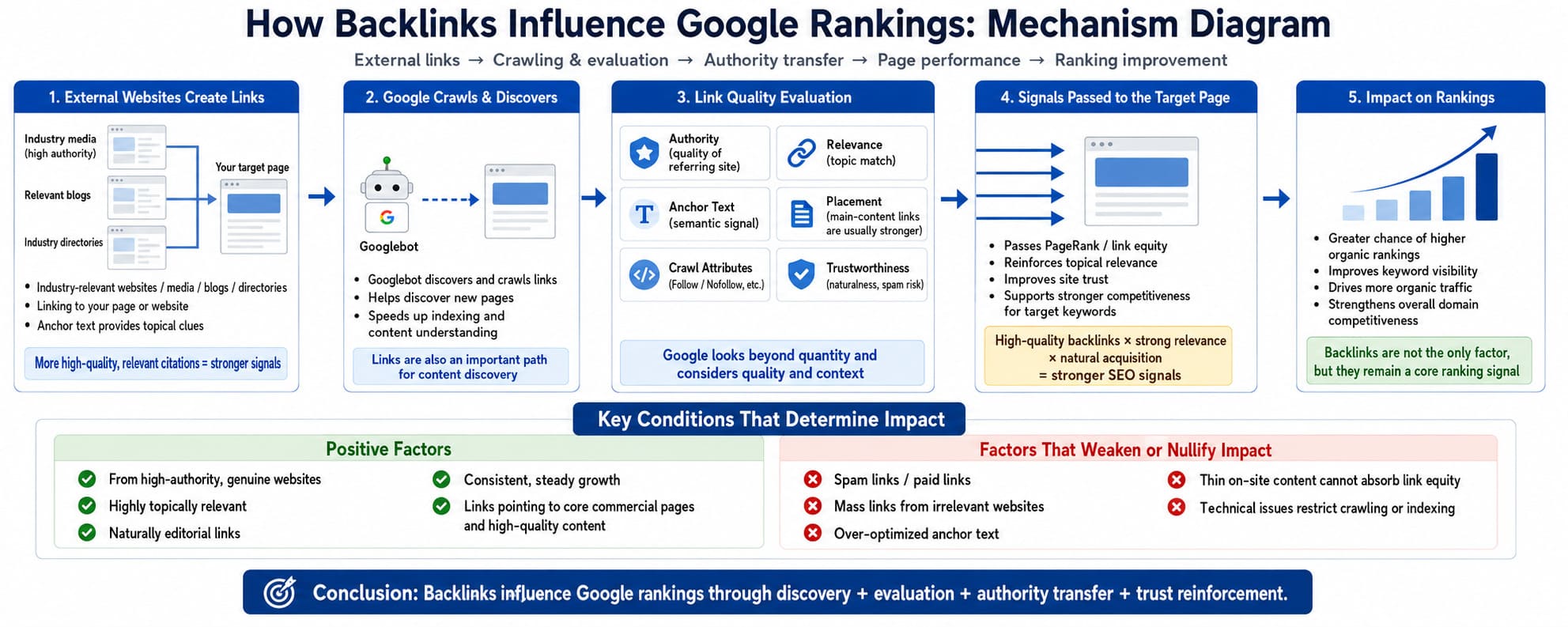
By most measures that matter to OpenAI, ChatGPT advertising is a triumph. Launched in the US on February 9, 2026, the pilot passed $100 million in annualized revenue within six weeks and expanded to Canada, Australia and New Zealand before its first quarter closed. By most measures that matter to advertisers, it has been an exercise in frustration. Ad Age found early participants split between cautious optimism and exasperation; The Information reported that first-wave brands could not demonstrate a single measurable business outcome from their spend.
Both readings are accurate. Reconciling them requires looking past the headline numbers at what actually happened in those four months — and at a precedent from a quarter-century ago.
The shape of the complaint
Three problems defined the opening phase. Supply: managed-pilot minimums of $200,000 to $250,000, CPMs near $60, and inventory restricted to free-tier users meant budgets stalled — Adthena documented one enterprise advertiser that consumed 3% of a $250,000 commitment in weeks. Measurement: until May 5 there was no pixel, no conversions API, no attribution path at all, so every campaign was bought and judged on impressions and clicks alone. And interpretation: the most-quoted statistic, a 0.91% click-through rate against a 6.4% Google search benchmark, treats a conversational interface as if it were a results page. In search, the click ends the session. In a chat, users absorb a sponsored card, keep talking, and convert days later through branded search or a direct visit — practitioner analyses put roughly 60% of ChatGPT-influenced conversions outside the trackable click path, where last-click attribution awards the credit elsewhere.
Notice what these three problems share. None of them establishes that the channel cannot convert. They establish that, for its first 120 days, nobody could know.
The 2000 precedent
Here is where history earns its keep. Google AdWords launched on October 23, 2000 with roughly 350 advertisers, charging fixed CPM rates by ad position — payment for appearance, regardless of clicks. Early traction was weak enough that Google considered handing its advertiser inventory to DoubleClick, then the dominant banner-ad network. Cost-per-click pricing and relevance-based auctions arrived only in February 2002 with AdWords Select. Closed-loop conversion and ROI measurement took years beyond that: businesses spent heavily on Google for much of the decade without reliable knowledge of whether the spend produced customers.
In other words, the most successful advertising product ever built spent its infancy unmeasurable, underpowered, and nearly written off. The advertisers who concluded in 2001 that search ads "didn't convert" were reading honest data from an instrument that did not yet exist. The pattern generalizes: in every platform transition, distribution arrives before measurement, and the gap between the two is precisely when early judgments get made — and usually made wrong.
OpenAI compressed Google's arc dramatically. Pixel and conversions API landed May 5, alongside a self-serve manager open to any US business. CPC bidding and configurable attribution windows followed. Conversion-optimized campaigns began rolling out June 5. The infrastructure that took search advertising half a decade materialized here in four months. What has not compressed is the learning curve sitting on top of it: conversion algorithms train on accumulated signal, and these accounts are days old.
What our own test showed
We ran the question against reality with an Australian home-furnishings retailer. Two weeks of live ChatGPT campaigns produced zero recorded conversions. Taken at face value, that confirms every complaint above. Taken seriously, it confirms almost nothing: the first fortnight is the documented learning phase, Australian inventory is thinner and newer than US supply, rugs are a considered purchase with a multi-week decision cycle, and the majority of this channel's conversions arrive off the click path. So instead of rendering a verdict, we adjusted the instrumentation — micro-conversion events to feed the algorithm faster, 30/60/90-day lookback windows, branded-search and direct-traffic monitoring in GA4, and a post-purchase survey with ChatGPT as an answer option. The platform itself surfaced optimization recommendations during the analysis. Verdicts can wait for a full decision cycle.
The caveat the analogy owes you
Intellectual honesty requires marking where the Google parallel breaks down. Google's early adopters were paid handsomely for their patience because the young CPC auction was thin and clicks were structurally underpriced. ChatGPT offers no such discount: $60 CPMs are premium pricing for an unproven channel, and no data yet shows an early-mover price advantage. What early entrants are accumulating instead is conversion history — the training signal that bidding algorithms compound and that later arrivals cannot purchase retroactively.
That reframes the only question worth asking right now. It was never whether the first 120 days looked rough; launches always do, and this one's flaws are documented, specific, and mostly already patched. The question is what an advertiser should be doing during the window when the channel is measurable but not yet crowded. Twenty-five years ago, the businesses that answered "testing, carefully, with proper instrumentation" ended up owning the next two decades of customer acquisition. The exam is open again. This time, at least, we know what it looks like.